
The Timeless Significance of Scout Traditions: Building Community, Passing the Torch, and Fostering Uniqueness
The Scouting Program
In a rapidly evolving world, where technology often dictates the pace of our lives, the enduring traditions of Scouting stand as a testament to the importance of connection, community, and character development. These time-honored rituals and practices not only instill valuable life skills but also create a sense of belonging and shared purpose among scouts. The core of scouting lies in its ability to foster a genuine sense of community. Through activities like camping trips, service projects, and weekly meetings, scouts build bonds that go beyond friendship—they become part of a community. The shared experiences and challenges faced together form a foundation of trust and support, creating a network that extends far beyond the boundaries of the Scout troop.
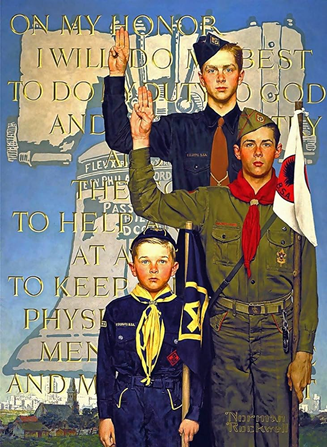
One of the most compelling aspects of Scout traditions is their role in passing along knowledge from one generation to the next. Whether it’s the mastery of outdoor survival skills, the principles of leadership, or the importance of community service, each tradition serves as a conduit for the transfer of wisdom. Older Scouts become mentors to younger ones, creating a dynamic where knowledge is not just disseminated from adult leaders, but is also shared horizontally among the Scouts themselves. This mentorship model not only builds a sense of responsibility and leadership among older scouts but also empowers younger ones, creating a continuous cycle of learning and growth.
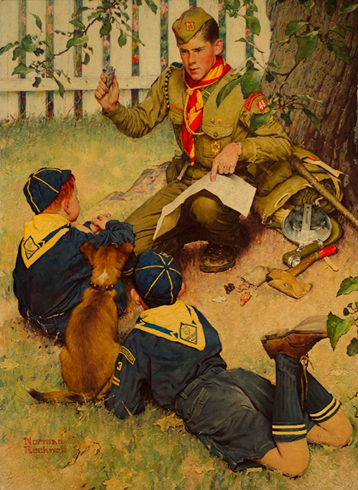
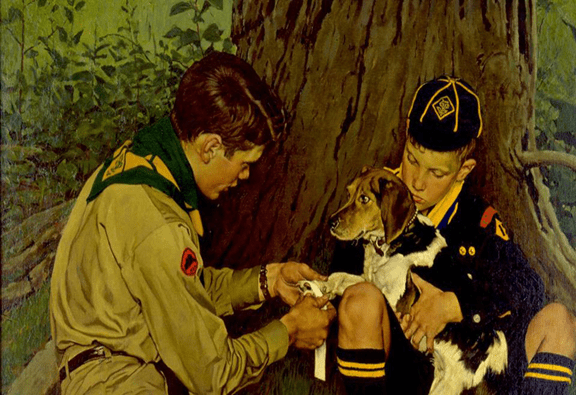
Perhaps one of the most enchanting aspects of Scout traditions is their ability to create a sense of uniqueness for each unit. While the overarching principles of scouting remain constant, individual Troops and Packs often develop their own set of traditions that reflect their identity, values, and local culture. These unique traditions become a source of pride for the Scouts, fostering a strong sense of identity and belonging. Whether it’s a special ceremony during a campout, a unique fundraising event, or a specific way of carrying out the Scout Oath and Law, these traditions contribute to the rich tapestry of Scouting, making each unit a distinctive community within the broader scouting movement. In a world that often celebrates conformity, the traditions of BSA Scouting encourage individuality, celebrating the diversity of experiences and perspectives within the scouting family.
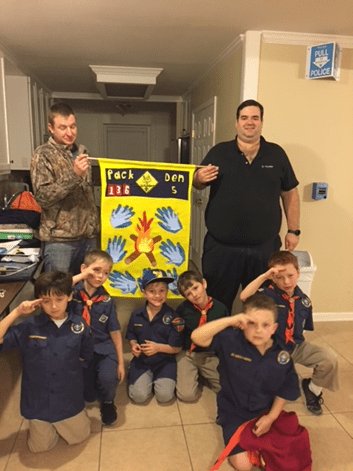
A Scouting Generation
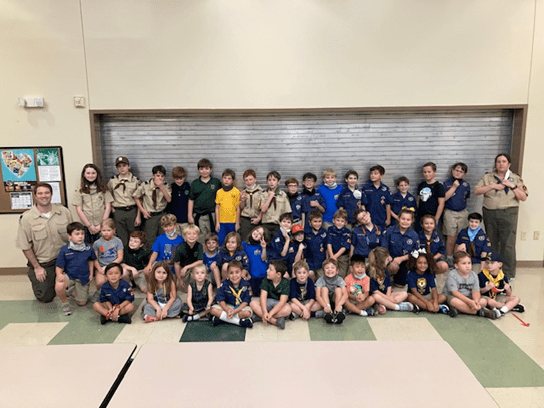
When parents decide to enroll their children in extracurricular activities, especially during the early years of elementary school, it often involves an exploratory mindset. In these formative years, kids are still navigating their interests, and it’s not uncommon for them to try out and switch between different activities—sometimes as many as 4 to 5 times before reaching the third grade. However, by the time children reach this pivotal stage, they typically have discovered their true passions and are firmly rooted in their chosen sports or activities. These pursuits often resonate with the parents’ own experiences, such as playing specific musical instruments, engaging in sports, or exploring unique hobbies like bagpipe playing, horseback riding, golf, and, of course, joining the Scouts.
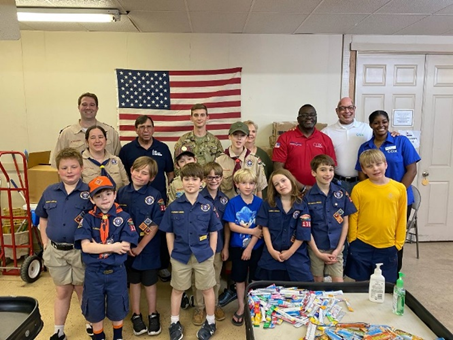
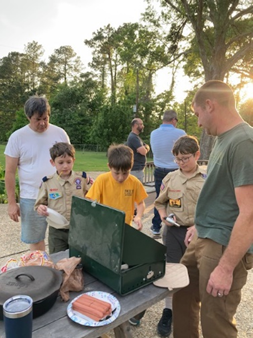
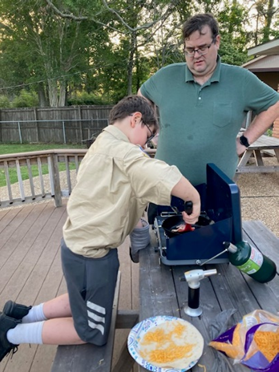
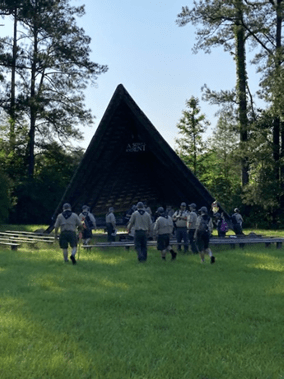
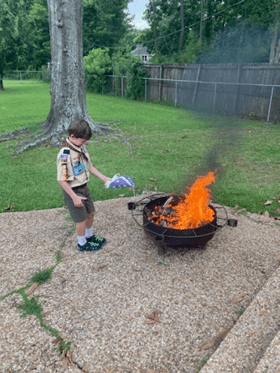
Interestingly, approximately two-thirds of children entering a Scouting program are offspring of former Scouts themselves. These parents fondly recall the fun, adventures, and personal growth they experienced during their own childhood in Scouting, motivating them to provide the same enriching experience for their children. As for the remaining one-third, they come from families entirely new to the Scouting community, eager to understand what it’s all about. For these newcomers, there are naturally many questions to be answered as they embark on this journey of exploration and discovery within the world of Scouting.
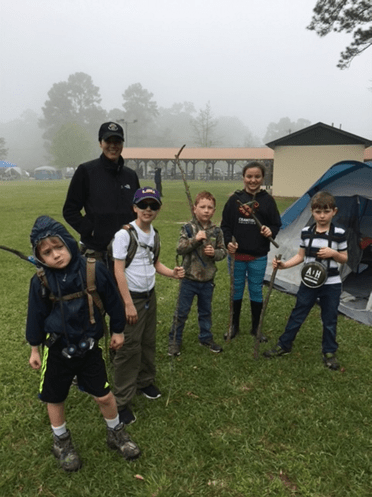
What is Scouting Anyway?
What is Scouting and what makes it different from other extracurricular youth activities?
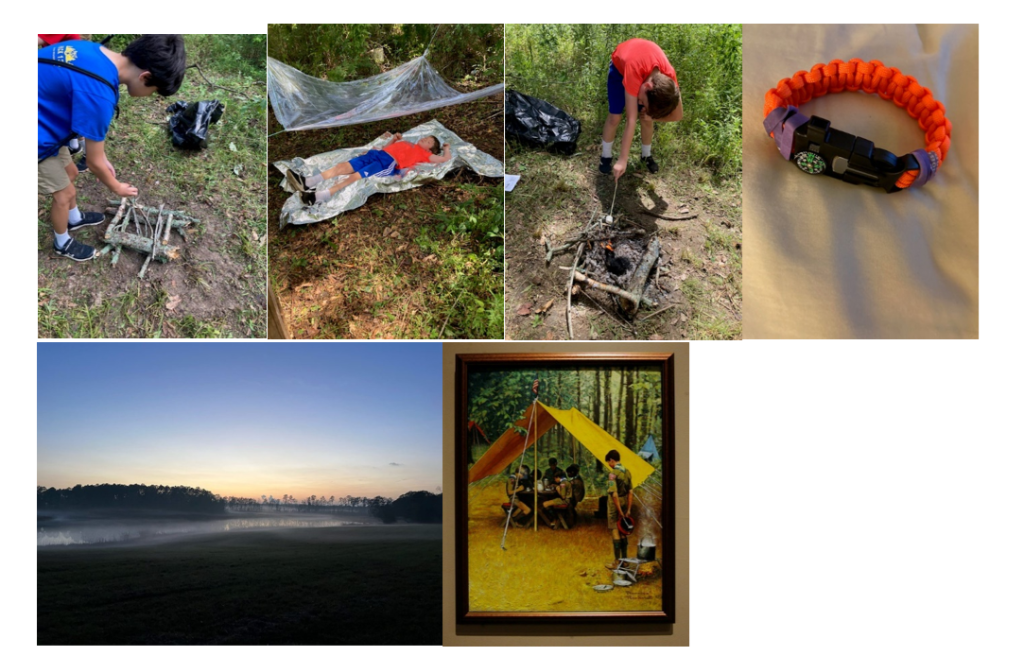
Scouting is often misunderstood by those who view it as merely a “kids’ club that goes camping.” However, this perception couldn’t be further from the truth. Scouting is distinct from other extracurricular activities; it’s a meticulously crafted curriculum, honed over decades of experimentation to effectively teach outdoor and leadership skills, alongside fostering positive traits in children. While camping is a prominent aspect, it is not the sole focus. Activities like learning to make fire in the rain serve as tools within the Scouting curriculum, acting as vehicles to help children develop confidence, competency, and a range of positive qualities. However, the essence of Scouting extends beyond activities—it’s deeply ingrained in Scouting culture.
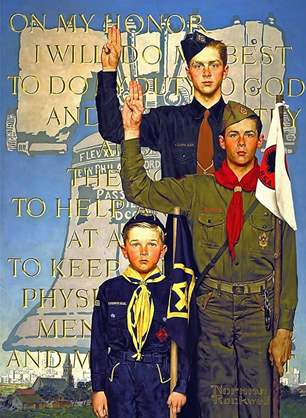
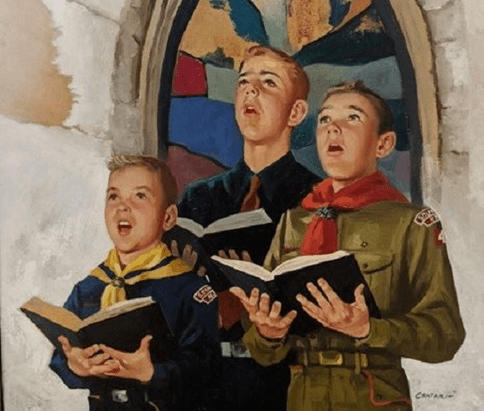
Scouting is more than a program; it’s a tradition and a society within society. The curriculum evolves over time, but certain aspects endure because they have proven effective. These enduring elements are the traditions of Scouting, contributing to its unique character and impact. Take, for instance, Pack 136 at St. George Catholic Church. Founded in 1967 by Father James Finnegan, the first pastor of St. George Church, this pack comprises children from various areas, transcending the boundaries of St. George School. Over the years, a lineage of Cubmasters has led the pack, each shaped by their own Scouting experiences, bringing a blend of tradition and contemporary ideals to this century-old organization. This continuity preserves the rich Scouting culture, ensuring that while the curriculum may evolve, the core values and traditions endure, creating a lasting legacy for future generations.
Our Pack: The Cubmasters
Some of these former Scoutmaster’s include:
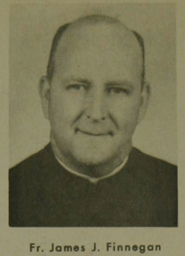
Father Finnegan
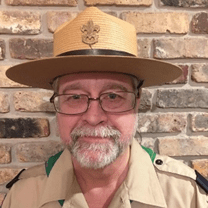
David Sneed
[no picture]
Jeff Worley
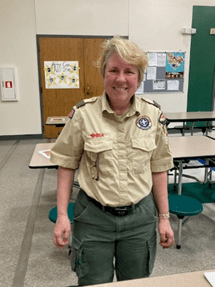
Wendi Pounders
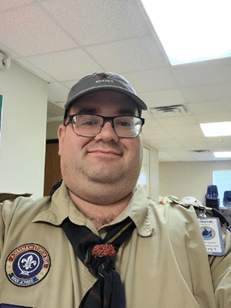
Jeremy Cronan
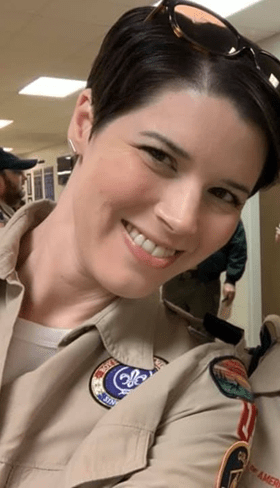
Bridgette Dembowski
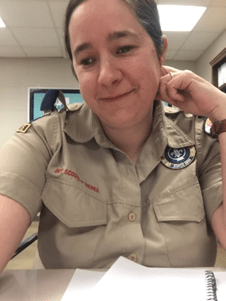
Ashley Michel

Patrick McCune
Each leader in our Pack leaves an indelible mark, contributing to a network of individuals who embody the very spirit of scouting, setting a profound example for the children they guide. Their collective dedication shapes not just the experiences but also the character development of each young scout under their mentorship.
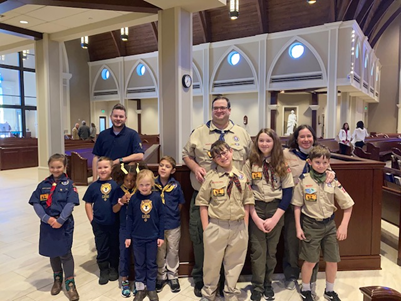
In the realm of role models, actor Chris Evans draws inspiration for his iconic character, Captain America, from a friend who achieved the highest honor in the BSA: Eagle Scout. The Eagle rank, a pinnacle sought by many scouts, isn’t simply conferred based on meeting stringent requirements; it demands an embodiment of the spirit, culture, and esteem of Scouting. The core values of resourcefulness, virtue, and high standards are not just lip service—they are ingrained in the Scout Oath and Law, timeless traditions dating back to the founding principles laid out by Lord Robert Baden-Powell.
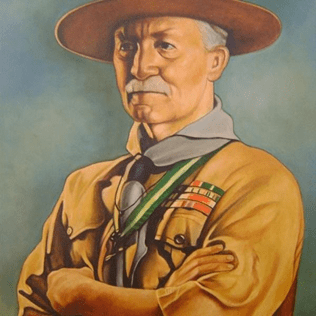

Baden-Powell’s journey as a scout in the British army forms the bedrock of Scouting traditions. Tasked with leading a unit to navigate ahead of the main force, his realization that many lacked fundamental survival and first aid skills prompted him to pen a manual. Originally intended for adults, the manual unexpectedly became a catalyst for the formation of junior Scouting units by enthusiastic boys in England. This movement, coupled with the formation of British Boy Scouts and Wolf Cubs, along with the Girl Guides and later the Girl Scouts, sparked the organized Scouting we know today. Baden-Powell’s manuals evolved into guides for children, emphasizing character development through wilderness survival skills, cultivating the essence of a scout and a gentleman. This journey of trial and error spanned decades, honing the art of delivering Scouting ethos through songs, skits, activities, and leadership development, shaping generations of scouts into well-rounded individuals.
Our Pack: Activities
So what does all of this mean for your child and Pack 136?
Well, it means your child is learning beneficial life skills, but also inherits an entire culture aimed at developing honor, discipline and esteem.
Indeed, many of us, whether or not we were Scouts as kids, have likely encountered a similar cultural phenomenon in our past, perhaps even forgotten. This cultural imprint often comes in various forms — be it through the cadence of songs, the narratives spun in stories, the distinctive attire worn, or engaging in unique activities. Sororities, fraternities, spiritual communities, and diverse organizations frequently weave this rich tapestry of tradition and culture.
Reflecting on our shared experiences, those who’ve attended summer camp can attest to the power of tradition. A familiar campfire song can transport you back instantly, summoning the forgotten verses and triggering memories of burnt s’mores, homesickness, and shared meals in the mess hall. Despite any challenges faced during those camp days, the memories are often cherished, all encapsulated within the unique culture and traditions of that camp.
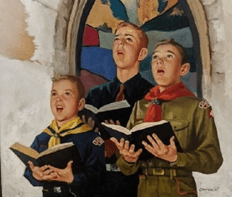
Scouting follows a similar pattern. Through the enactment of traditions like songs, skits, and activities, indelible memories, ideals, and essential concepts are etched into a child’s consciousness, lasting a lifetime. Each Scouting unit carries forward specific traditions, passing them down from leader to leader to perpetuate this transformative process. Ideally, each new Cubmaster or Scoutmaster imbibes these traditions from their predecessor, adding their distinctive twist when it’s their turn.
However, a few years back, Pack 136 experienced a rupture in this traditional lineage. Departing leaders left voids without replacements, causing the loss of many cherished traditions. Determined to preserve the pack’s legacy after six decades as a chartered unit, new leaders grappled to hold it together. Fortuitously, former Cubmaster David Sneed returned temporarily when the pack needed a Cubmaster, restoring and imparting many of the lost traditions to the new leadership. Unfortunately, many of these traditions were never documented. This post serves as an effort to pass along these traditions to the next generation of Scouts, ensuring they endure and are never lost again.
Our Pack: Traditions Here are some of the traditions of Pack 136 throughout the years.
Songs
Skits
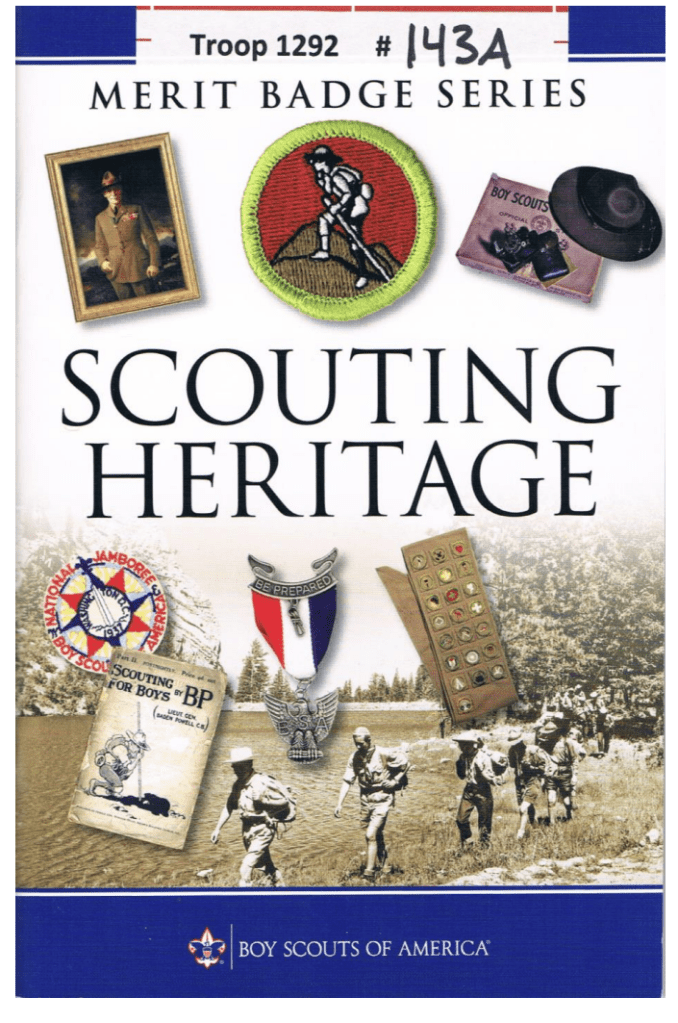
Also worth reading is the Scouting Heritage Merit Badge pamphlet, which gives the detailed history of the organization, and how we arrived to where Cub Scouting is today.
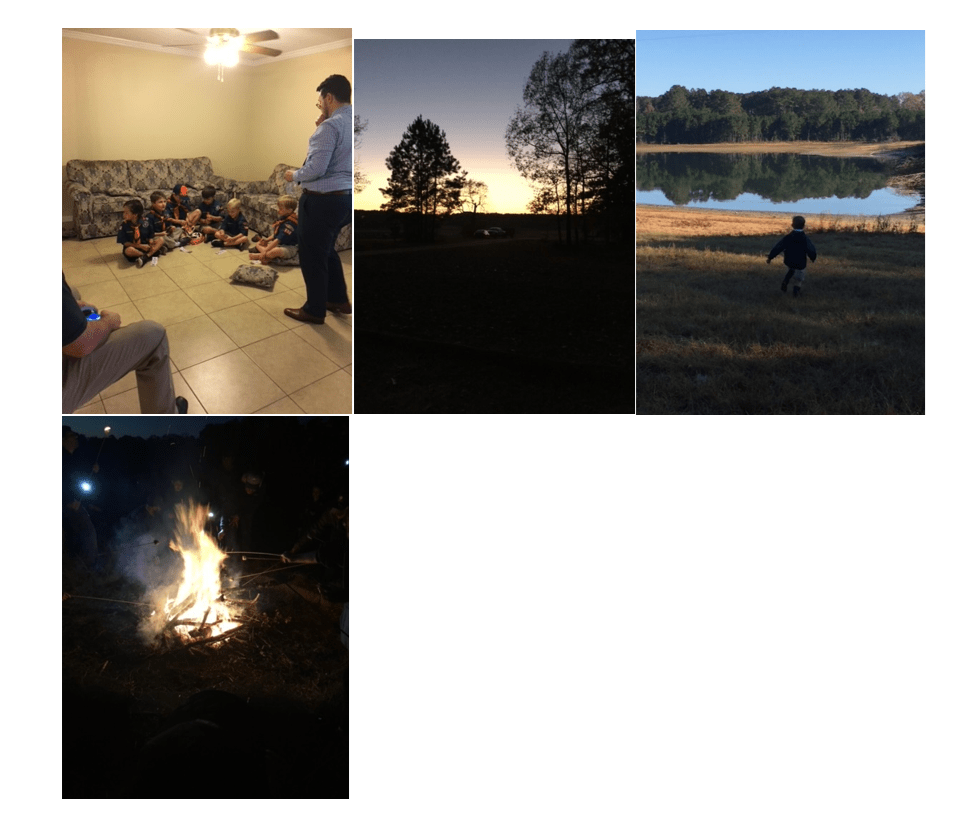
Campfire Stories
Ceremonies
The wolf head rank advancement, new neckerchief and belt loops
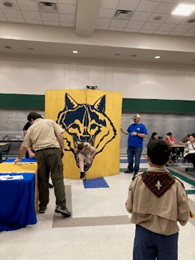
At the May Pack Meeting, the Cubmaster calls out the name of each Scout earning a new rank, and the Scout crawls through the mouth of the Wolf to receive his or her rank patch, any awards, and a new neckerchief for their new rank. In past ceremonies, the items were pulled out of a cauldron with fake smoke, the kids walked down a wooded trail outdoors from the wolf head to the Cubmaster, or someone dressed as Lord Baden-Powell ushered the Scout from one end to the Cubmaster.
The Career arrow and Arrow of light
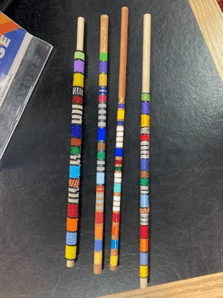
The Arrow of Light Award is the highest award in Cub Scouting, and is the only item from Cub Scouting that can be worn on the uniform at the Troop level. Some have even referred to it as the “Eagle of Cub Scouting.” (Eagle rank being the highest rank awarded at Troop level) With this in mind, we strive to make this ceremony extra special for the 5th Grade Webelos IIs and their families who have supported them on this years’ long journey. This is also the time in which the parents of the Scouts present them with the Career Arrow, an arrow the parent or guardian has made which is wrapped with colorful thread, or painted, each color representing an award, rank or requirement the Scout has earned as a Cub Scout. Parents should start work on this early in the child’s last year in Scouting, and it is a wonderful keepsake for the Scout.
Crossover Bridge to the Troop
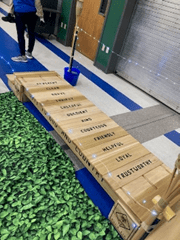
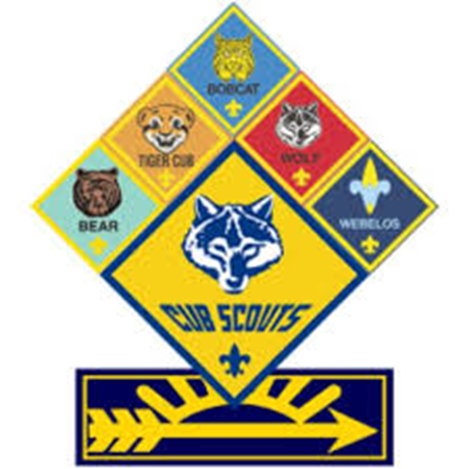
Bobcat badge
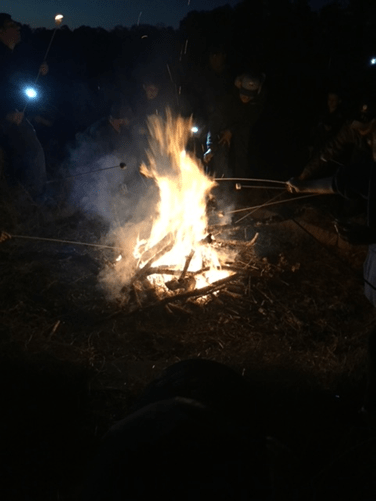
The tradition of handing out the Bobcat badge has evolved several times over the history of Cub Scouting. Initially, it was a dedicated rank within Cub Scouts, which later gave way to the animal ranks we now know, and Bobcat being the award you first receive when a child joins the Pack and learns the sign, handshake, salute, and other important details. IN the recent 2024 update of the Cub Scout program, Bobcat is now a belt loop earned at each rank with different requirements designed to help guide the Scout along understanding certain Scouting traditions. There are many ways in which the new Scout can be honored in a Bobcat ceremony, and presently the Pack hands them out at the campfire event at the first campout. In the past, the Scouts were decorated with face paint, and then turned and held upside down by the parent while the badge was pinned on to the uniform. Once the child is turned right side up the badge will be upside down. He or she cannot run it right side up until they have done a good deed.
Miscellaneous traditions
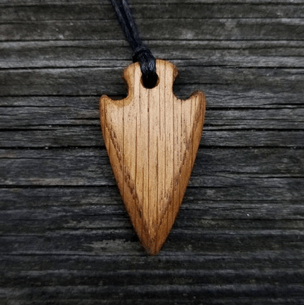
The wooden arrowhead
The wooden arrowhead pendant is an unofficial tradition some Packs have done to encourage children to do more good deeds and do their best in school. The wooden arrowhead is awarded at the end of the year when a Scout presents to the Cubmaster a letter from their teacher indicating that they did their best in school and showed improvement in their grades, as well as completing at least 5 random good deeds and one service project.
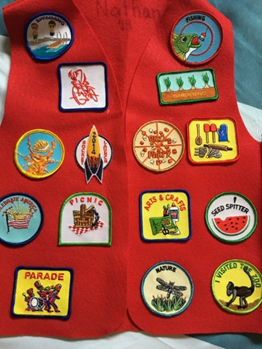
Red patch vest
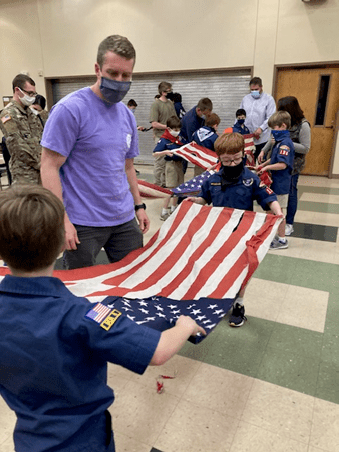
The older scouts have green sashes on which to sew their patches and merit badges, and Cub Scouts have a red brag vest to display theirs. As Scouts earn patches for attending campouts and district events, they can be sewn on the red vest and worn over the Class A uniform in any formal setting except when conducting a flag ceremony.
Bead totem
(See the Leaders Resources Page for this program)
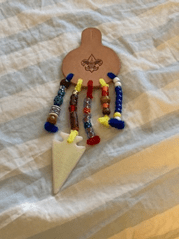
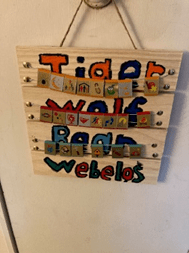
The activity bead totem program was started in the 1950s by the Great Rivers Council, and was intended for scouts at the Troop level to encourage meeting and activity attendance. The idea behind it is that while scouts are working on merit badges, which of course they display on their person once earned, that other visual representations serve as a motivator to keep the scout going in between earning badges. The colored beads on a custom leather medallion are a visual representation of smaller, though just as important, achievements. The practice evolved and migrated down to the Cub Scout level, culminating in the Tiger Beads program that was phased out in 2015 in favor of the belt loop program, which serves a similar purpose. Still, many units, both Packs and Troops, still make use of this program, and can serve as a great motivator especially for younger scouts. While belt loops are awarded at Pack meetings following the completion of an Adventure, beads can be awarded at any time, such as Pack and Den meetings when the scout’s name is called out and recognized for an Achievement, during Pack events where attendees get a special bead for attending, campouts for doing work such as firewood gathering and water patrol or cleanup, or for a reward for demonstrating an aspect of the Scout Oath or Law, such as helping out a friend or neighbor or doing a good deed. Totems worn on right pocket of shirt.
Blue and Gold
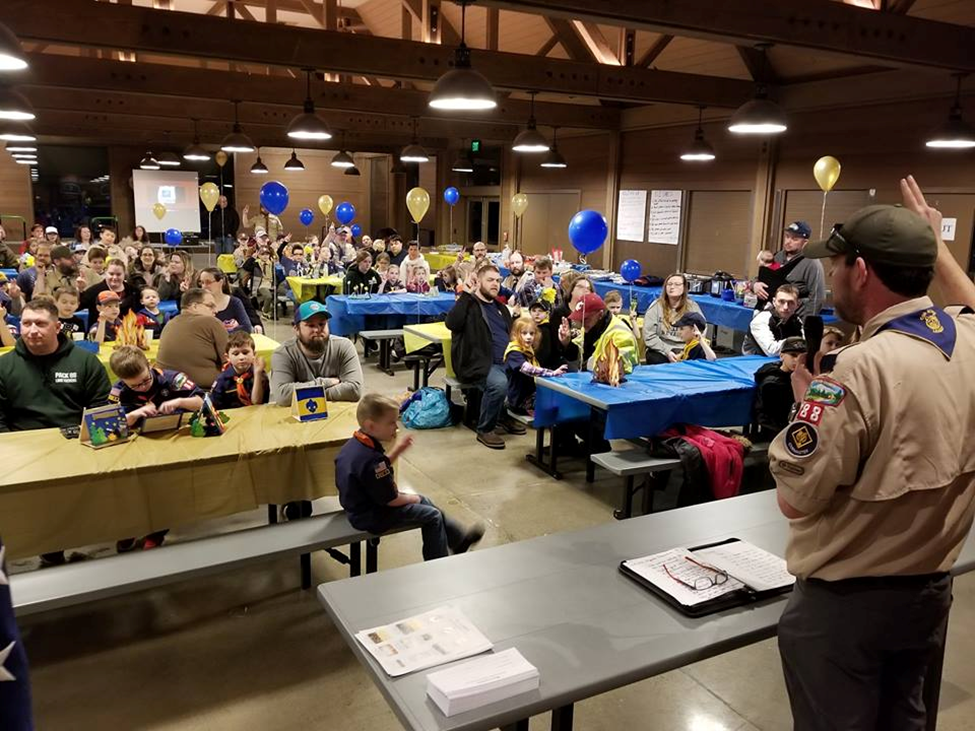
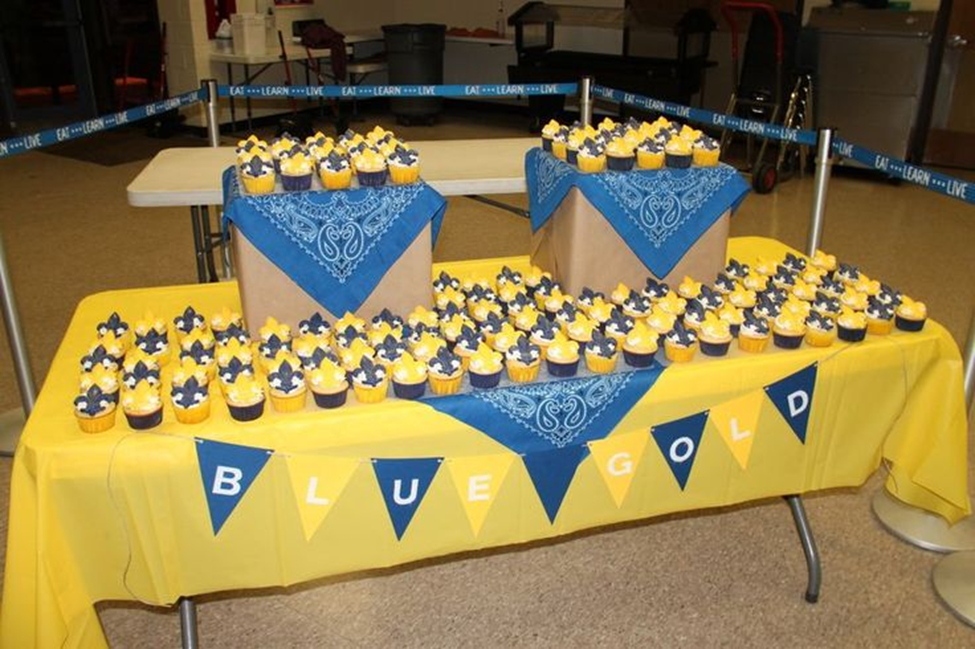
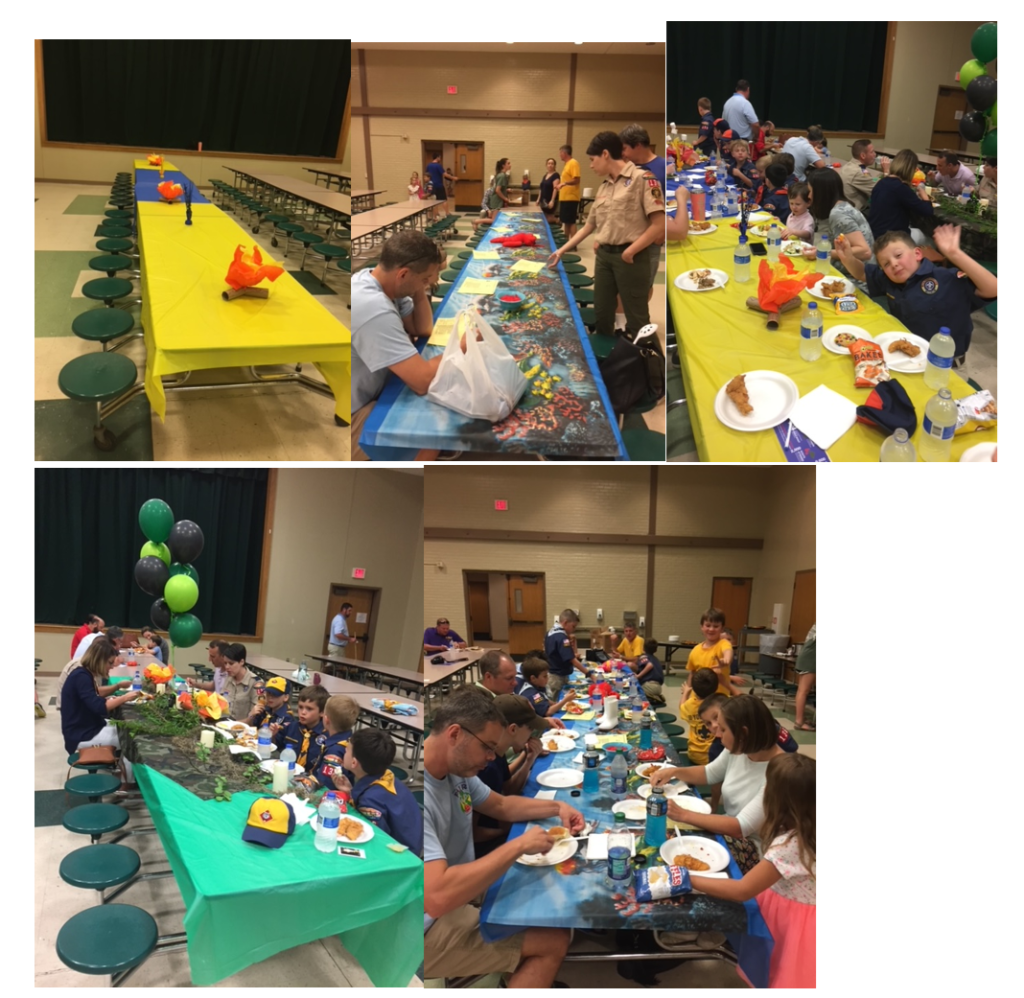
Blue and Gold banquets are an important event in the Cub Scouting world. Part ceremony, part potluck, and part celebration, these Blue and Gold events invoke a sense of community, bring fun to the group, and often are used to recognize the progress of individual Cub Scouts! What makes the Blue and Gold event really fun is that it’s essentially a big party. If recognition is included, it’s typically Cub advancement and leader appreciation. By the end of the night, the goal is for everyone to spend some quality time together and feel even more awesome about Scouting! In the past we have had themed B&G events, like Star Wars themed, campout themed, and Video Games themed. So what is the significance of the Cub Scout blue and gold? According to the 1961 Cubmaster’s Packbook, “Blue stands for truth and spirituality, steadfast loyalty, the sky above. Gold stands for warm sunlight, good cheer, and happiness.” Some Packs even invite the Troops of thier charter organization to join in the fun! There is usually entertainment, like a performer, skits, songs, games, jokes, campfire stories and anything you can think of. At the end, there is usually recognition of the adult leaders and awards, and some Packs cross over their AOLs to the Troop at this time.
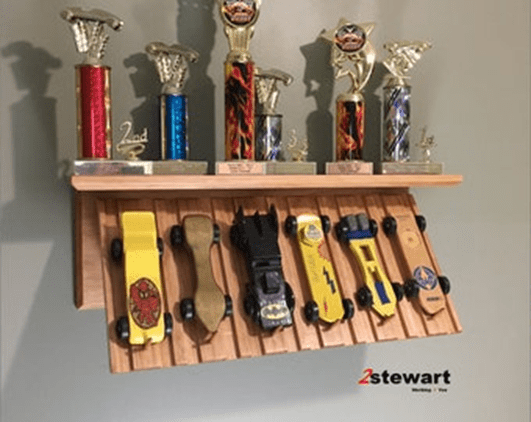
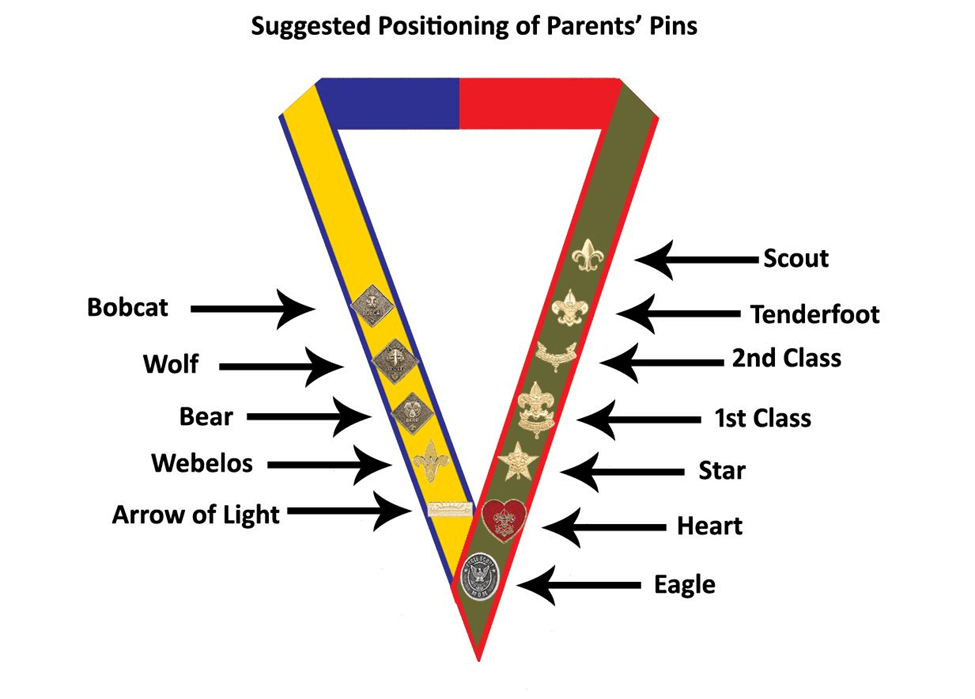
Car and belt loops displays
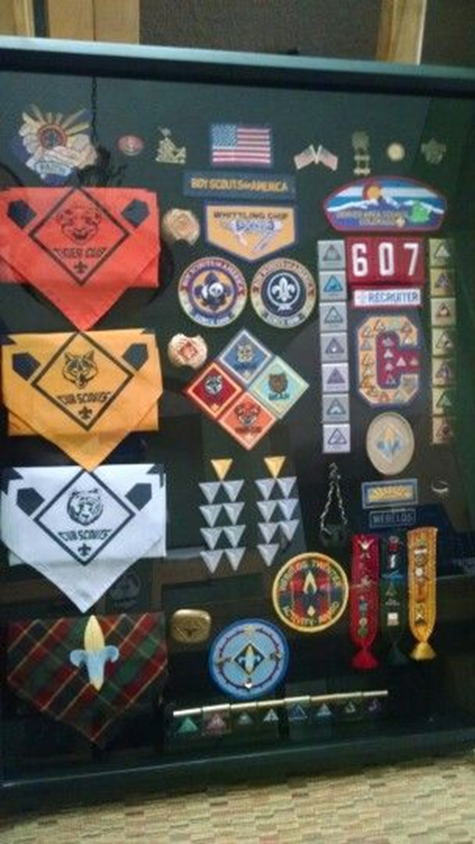
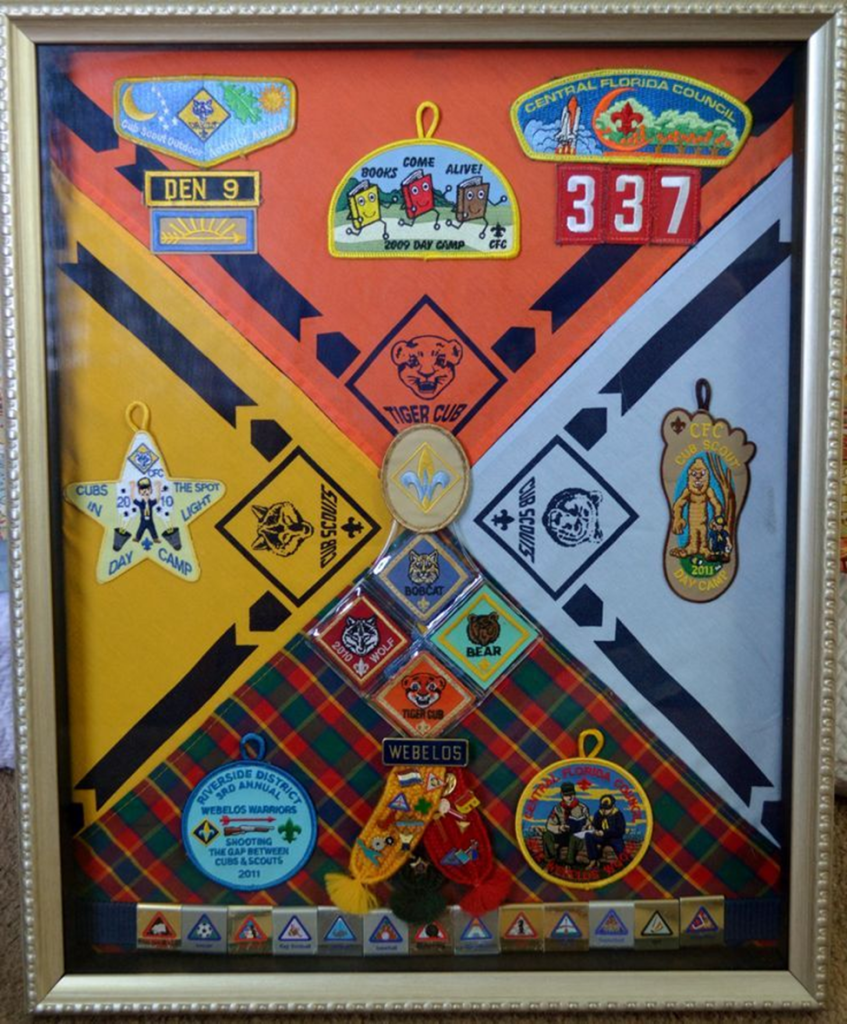
Shadow Boxes
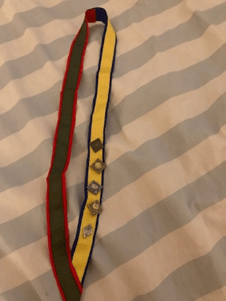
Parent Brag ribbon
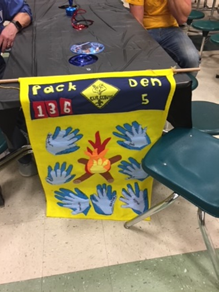
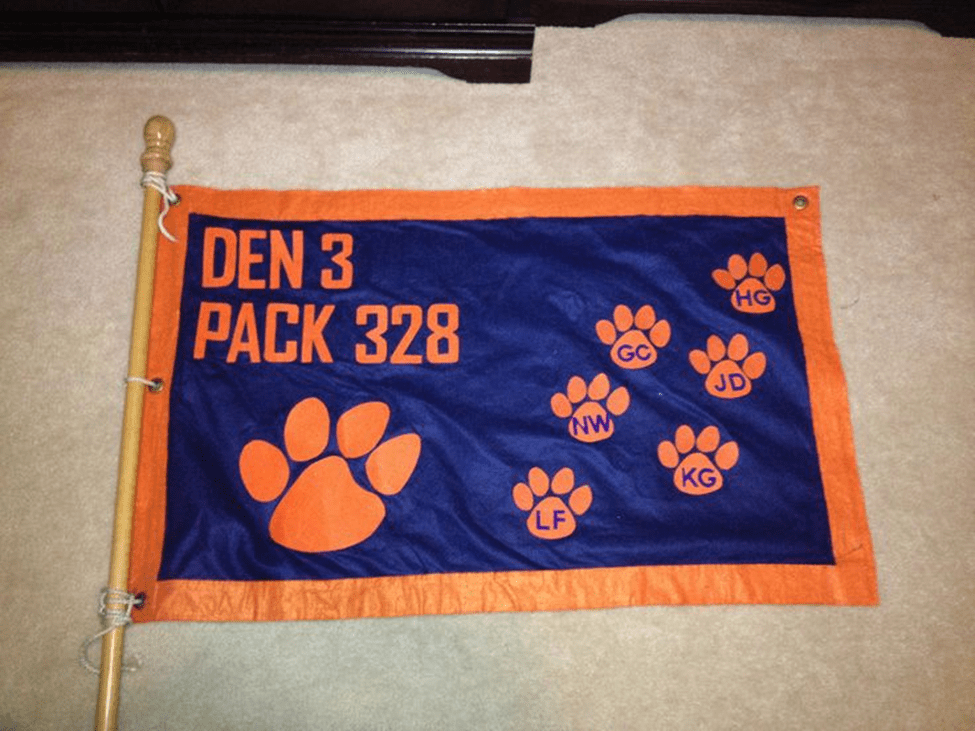
Den flags and yell
Show your Scout Spirit by having the members of your den create their own flag to carry on campouts and to Pack meetings, and come up with a den cheer or yell. (“4,3,2,1, Den 3 is #1!”)
Akela
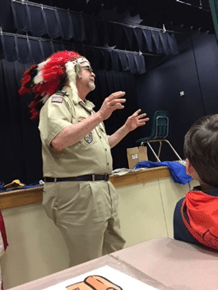
“Akela” from the “Jungle Book” is the name given to a Cub Scout Leader or elder who guides the scouts in some way.
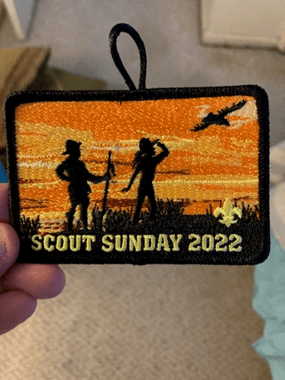
Scout Sunday
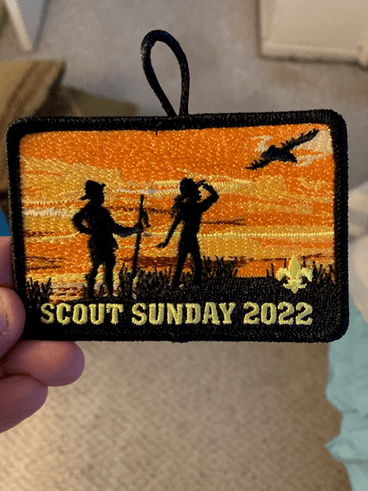
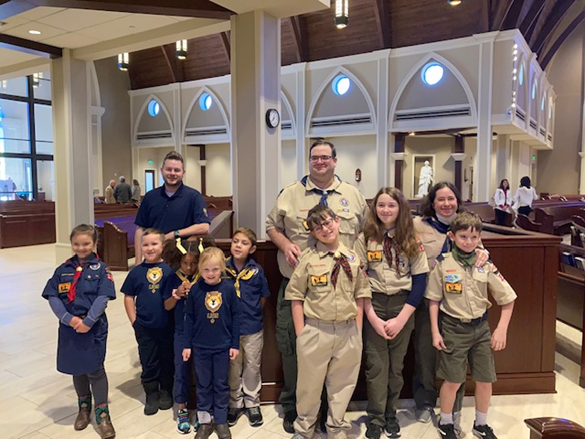
Every year in February, Pack 136’s charter organization, St. George Church, honors its scouting units on the birthday of Scouting, Feb 6 (or near the date) with a special mass, in which scouts in uniform are given a special blessing and patch.
Scouting for Food
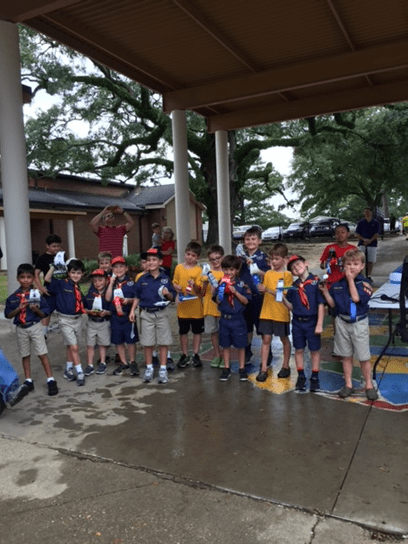
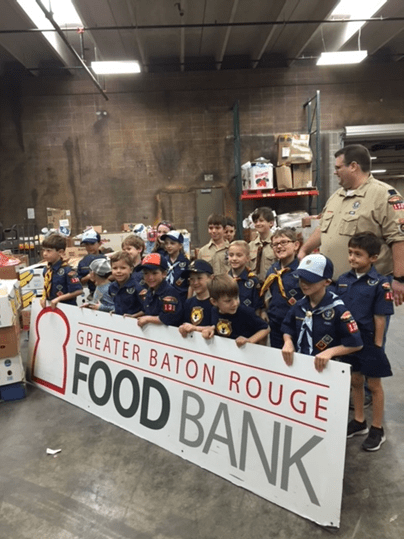
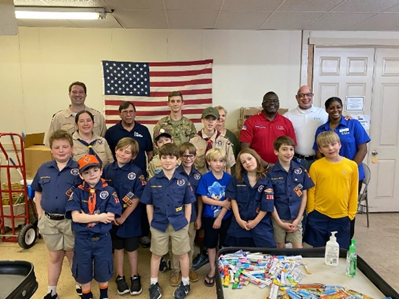
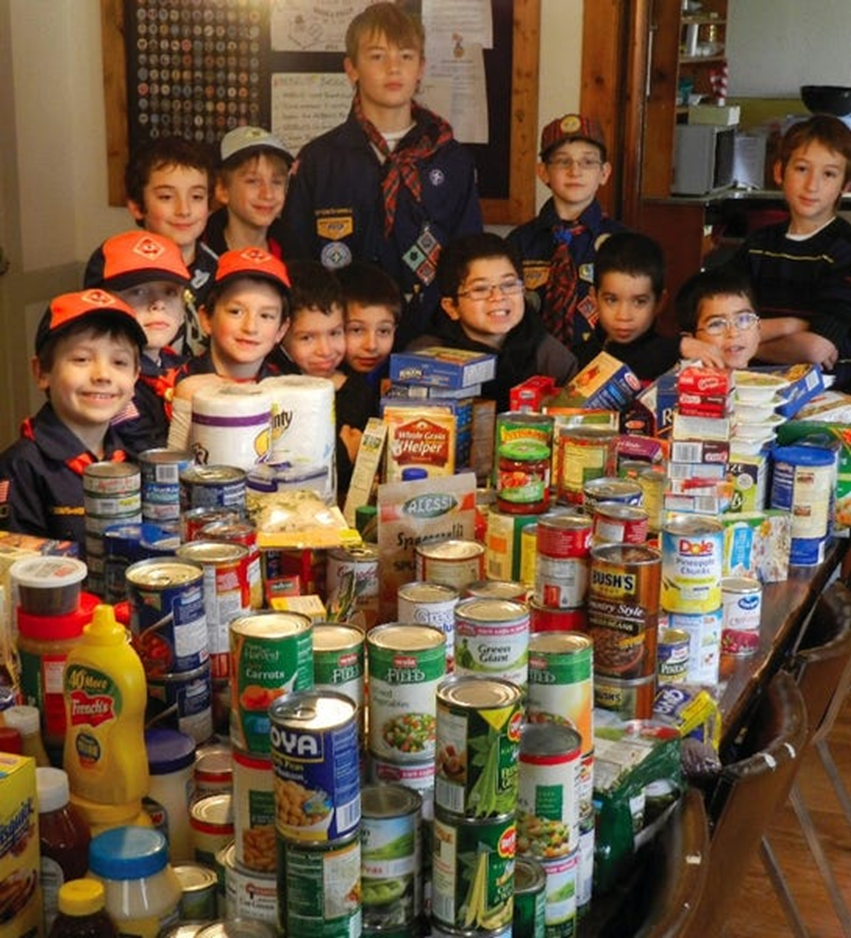
During the month of November, Pack 136 collects food for the Food Bank as a Pack service project, in time for Thanksgiving.
Popcorn/Popcorn Kernel
The annual Popcorn Sale in the Fall is Pack 136’s primary fundraising activity. A designated adult leader is the Popcorn Kernel in charge of the event, and these funds help fund pack activities such as campouts.

Cubmaster succession ceremony
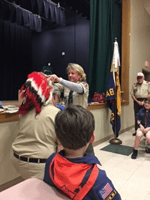
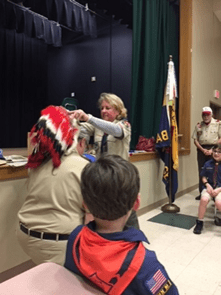
In the past, the incoming Cubmaster was crowned with the “regalia” of the Pack, which is either a Native American headress or a Scoutmaster’s hat, and given the torch of leadership from the outgoing Cubmaster.
Certainly, not every tradition stands the test of time. In the 1970s and 80s, campouts were a different affair, reserved exclusively for dads and their boys, where the former often lounged around with a beer in hand while the kids ran amok in the woods. The transformation began in the 1990s and 2000s with an updated curriculum that introduced outdoor activities and established a firm stance against alcohol, smoking, and drugs on Scouting grounds. Today, the Pack has redefined campouts, turning them into educational opportunities for the entire family, inviting everyone to participate and encouraging dens to fulfill outdoor requirements during these excursions.
Past practices, such as turning a child upside down to receive the Bobcat badge, had their own era but were left behind when safety concerns arose. Even the tradition of Assistant Scoutmaster Cletus Robinson dressing as Santa to read ‘Twas the Night Before Christmas’ at the pack meeting before Christmas faded away due to his health limitations. Yet, as traditions retire, the pack adapts and evolves, embracing new activities introduced by each generation of leadership. This continual evolution ensures that the culture of the pack remains vibrant and relevant.
Moving Forward
Scouting is not unique to any one location; across the globe and throughout America, scouts gather weekly for den or troop meetings and monthly for pack meetings. These gatherings serve as platforms to showcase acquired knowledge, pass along ongoing traditions to the younger generation, and foster a culture of growth and adaptability within the scouting community. Now it is your turn! We hope your child experienced a wonderful time in Scouting, learning from both past traditions and new ones, weaving his or her own unique adventure along the way!
The best Scouting programs are the ones that evolve over time, but also maintain some of their unique traditions and practices. When all is said and done, the goal of any Scouting program is to impart the values and skills of the program to youth in an age-appropriate way. With that in mind, any time spent in a Scouting program at any age is valuable.

